
Introduction
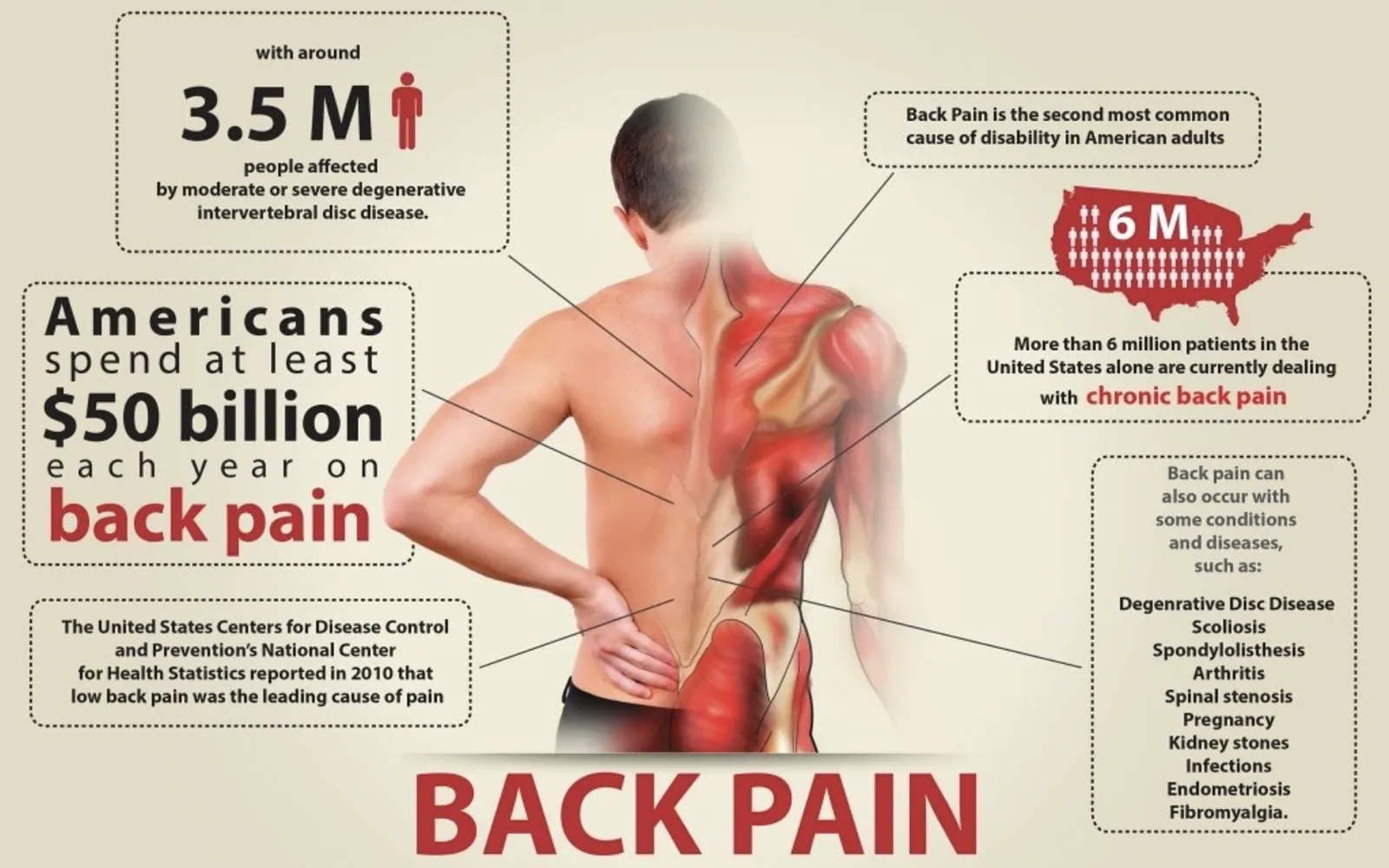
As we have talked about in the past article, low back pain is a very common issue among the everyday person, but what is directly causing the pain? Is it an injured or strained muscle or is it a more concerning injury, such as a disc issue? How do you know the difference and what are you supposed to do when either one occurs? With back pain so prevalent in the world, you would think that we would have more of a grasp on the issue but this question is the most misunderstood within spinal health. This article is not meant for you to be able to diagnose yourself or leave out important information when explaining your issue to a health professional. This is meant to give insight and awareness into the things that can be closely correlated to either but not always connected and know the next steps to address it. Let's dive into the differences, the similarities and also what to do for either.
Muscle Strain
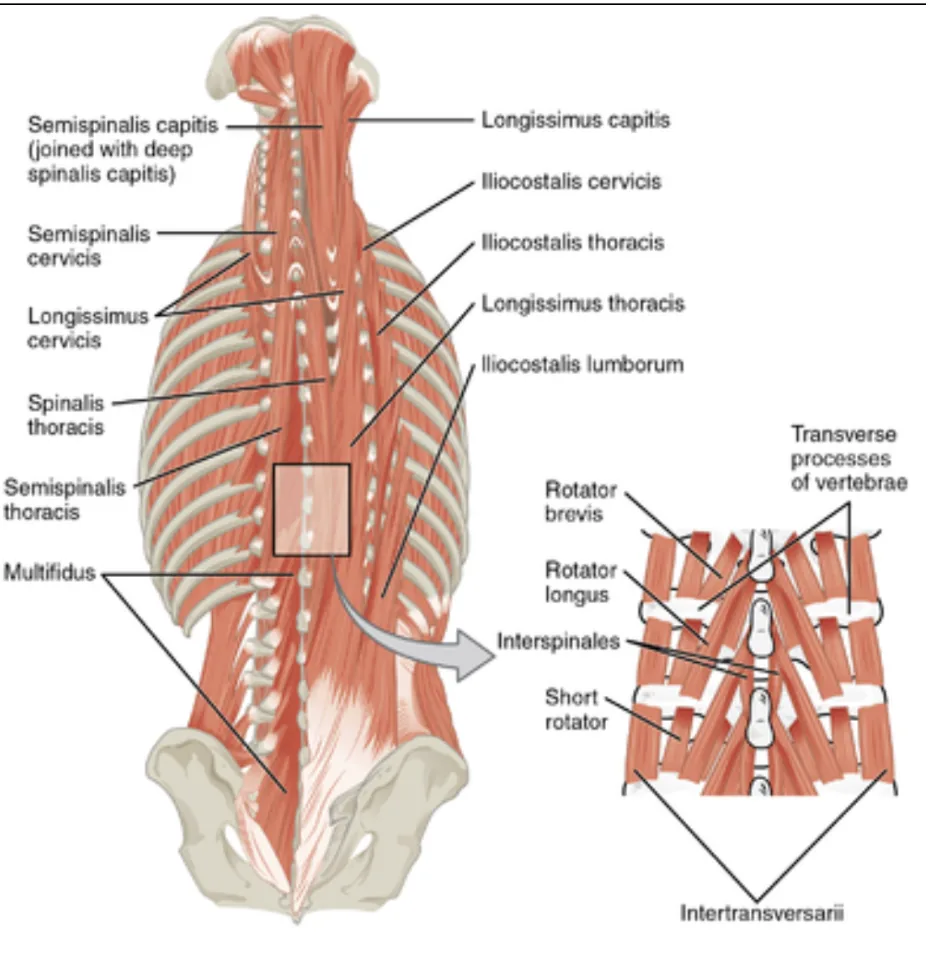
A muscle strain is when there is over-stretching or tearing occurring within the fibers of the muscle, usually occurring with the extensor muscles of the spine .This usually occurs with sudden movements such as lifting, bending, or twisting. Also can occur with over training or a lack of activity going into a lot of activity. This creates a sudden change in demand that the muscle is not ready for yet, creating tears. A lot of times, when you wake up and have pain that occurred overnight creating a “crick in your neck” or “pulled back”. This is also most likely the cause. This is due to the fact of having your body in a position for too long that it was also not ready for.When this type of pain occurs, depending on the severity. There could be swelling, restricted motion, achiness and sharpness, localized location (doesn’t go anywhere else), and is tender. What doesn’t usually occur with this issue is neurological abnormalities such as numbness, tingling, radiating pain or weakness. The damaged tissue is a muscle not a nerve, but I also say usually because a muscle can become so inflamed it creates pressure on the nerve. This is less often but will stop when the inflammation is dealt with.
So, what's the recovery guideline for this? First, we must deal with the inflammation. Ice is the key point here, do not put heat on anything inflamed because it will only make it worse by causing more swelling. You never put heat on a swollen ankle right? Same concept. Now, if nothing else is done. The body will generally heal from it in 1-3 weeks, depending on the severity, continual aggravating movements, and your body's healing capability. What can be done is igniting the healing process by getting movement through adjusting the spine and creating neural stimulation to the brain. This also ensures there is no restriction from the vertebrae inhibiting the process. Then, we put ice on the area to decrease inflammation, and then gradually increase movement to regain functionality. If done correctly, this speeds up the process ten fold and allows you to have time on your side instead of wondering when your body is going to be better when it's not given any assistance.
Disc issues
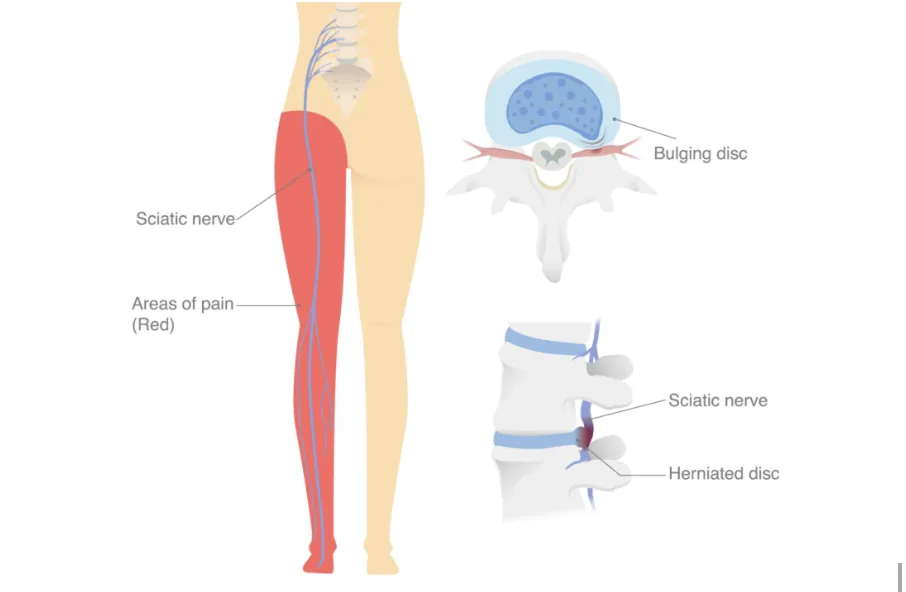
The term “disc issues” is plural because there are two things that can be described as abnormal disc involvement, a “herniated disc” or a “bulging disc”. Your intervertebral discs have two layers. The innermost layer is called a "nucleus pulposis” that is like a jelly substance and the outermost layer is called the “annulous fibrosis”. This layer covers in the jelly substance keeping it secure, and they move in one functional unit like a balloon with water. The disc's purpose is to provide cushion to the spine from gravity and daily activity. When a disc bulge occurs, it is when the innermost layer has too much consecutive pressure and creates a pocket of the jelly that bulges or protrudes against the outer layer. It does completely penetrate the tissue but creates distortion. A disc herniation is the same thing but penetrates or “herniates” through the layer like a belly breaking through a buttoned shirt. When this happens, it can put pressure on the nerves just posterior to the disc. Research actually suggests that many bulges are asymptomatic as nearly 30%-50% of them don’t cause pain due to not having pressure put on the nerve. Intervertebral discs do not have large amounts of blood flow and minimal neural connections, so the pain that comes from any disc issue occurs mainly due to pressure on a nerve adjacent to it. Therefore, the symptoms are all neurological, such as numbness, tingling, weakness, sharp pain, radiating pain down the leg, burning or electric feeling, and worse with sitting or bending forward.
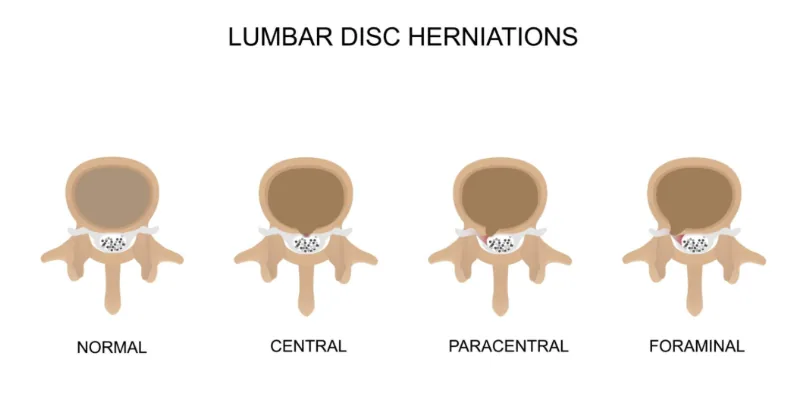
So, let’s say you have found out that you have a disc issue through case history, proper orthopedic tests, or an MRI done. What should you do? As I said before, the disc doesn't have large amounts of blood flow, so healing is limited. Also, once a disc is damaged, its integrity is compromised each time it happens and becomes more susceptible to it again. With this being said, there is plenty of hope because as also mentioned before, people sometimes have disc issues and they don’t even know. If this is acute, we must first decrease the swelling, then restore proper movement through adjustments, and then retrain the delegation of pressure that caused the issue in the first place. If this is chronic, same concept but with less swelling occurring because the body will let it be if it continues. This process could take a month to a yr to get back to nearly 100% depending on the severity of the disc issue.
Red flags for disc issues
I must mention these because most disc issues can heal without surgery. There are still times that are usually rare but warrant immediate concern to go to the ER to prevent further damage or debilitation occurring. The first is loss of bowel or bladder dysfunction. This means if you are unable to hold the urge to use bathroom functions while you have low back pain, this could mean severe nerve involvement. Others that are related are saddle paraesthesia and progressive leg weakness. This is when you lose sensation on both your legs next to your groin and the progressive leg weakness means it is also creating severe pressure on the nerves. The longer pressure occurs, the closer it becomes to being irreversible. Another one is when a traumatic accident occurred because, of course, the disc issue could just be a side effect of something worse. Lastly, if there is a constant fever that won't go away with the low back pain. This suggests something else at play that could be viral, bacterial, or infectious on the spine or spinal cord that should be addressed immediately.
Conclusion
We have gone into detail about trying to tell the difference between a muscle strain or a disc issue when pain occurs. A muscle strain is more acute, localized, and has more pain with movement towards or away that specific muscle. Its recovery process is generally 1-3 weeks but can be enhanced through anti-inflammatory use, getting movement to create stimulation, and educating or eliminating our muscle activity for that movement next time. This disc issue is more chronic due to continual abnormal pressure or stress leading to fatigue and integrity loss. The pain is more neurological due to it only showing up with pressure on the nerve creating numbness, tingling, shock, weakness, or even more severe symptoms that create an ER situation. The healing process for this is longer with being anywhere from a month to a year depending on the severity and can be healed generally without surgery. However, this can also benefit and even eliminate a surgical situation through decreasing inflammation, creating movement and eliminating restriction through adjustments, and retrain the spine to delegate pressure more efficiently to allow optimal healing and disc placement. As you can see, both have different mechanisms of injury but both benefit from the same solutions. If we want to live a life full of hesitancy and functional complacency, we should never veer away from our everyday routine. However, if we want to live a life full of fearlessness, body awareness, and ever growing our functional capacity? Then move, we learn, and we challenge ourselves. We get adjusted to create stimulation to the brain from our spine and we become aware of our own bodies. Thank you for reading and hope you learned something! Live Primal💪